
Ultimate Nitro Type Warm-Down Techniques 2026: Boost Performance, Prevent Burnout, and Achieve Peak Speed
Introduction
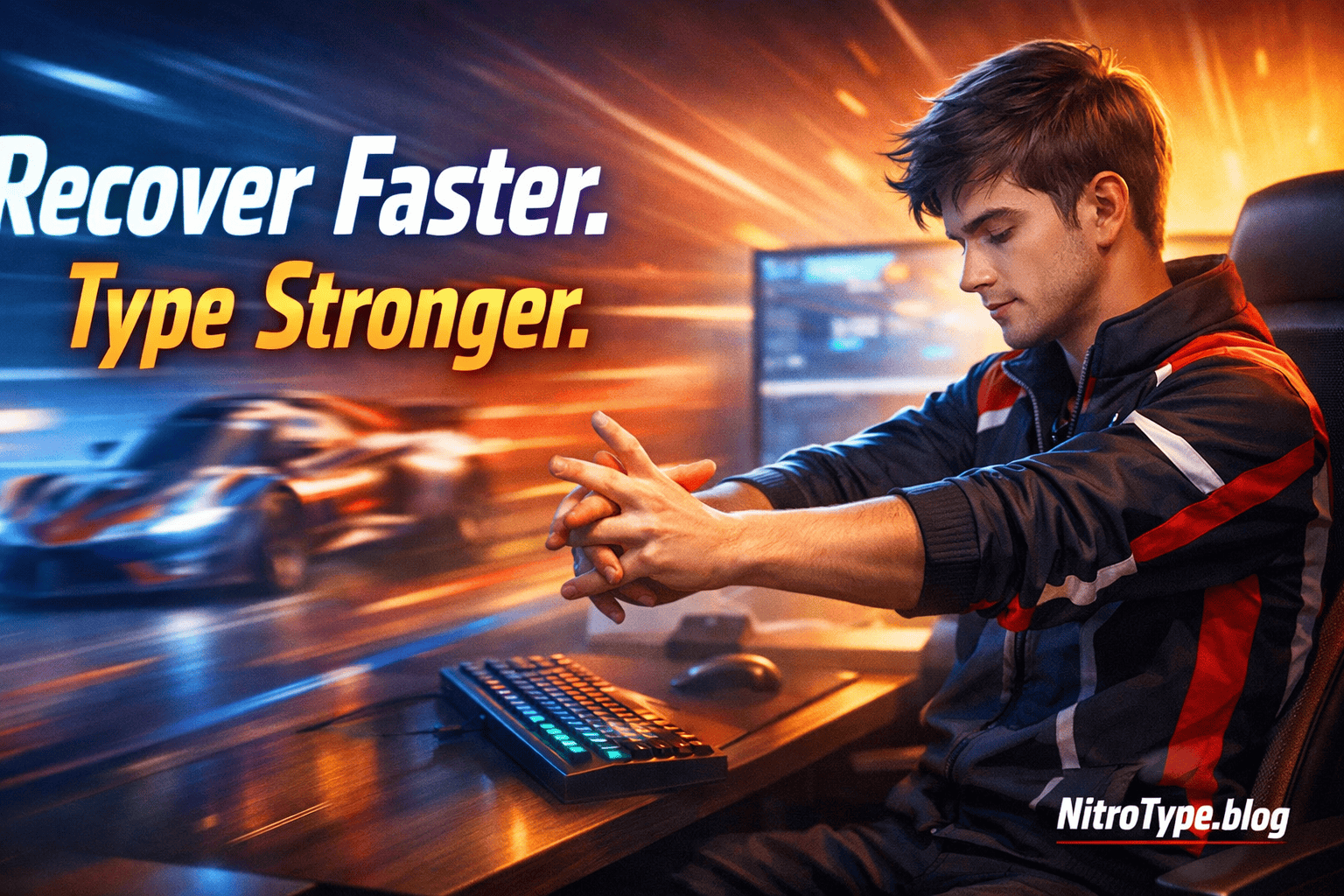
Nitro Type warm-down techniques are more than just a post-race routine—they’re the secret to preventing fatigue, maintaining peak typing performance, and avoiding long-term injuries. While many racers focus on speed and strategy, recovery is often overlooked. By adopting effective warm-down methods, you can protect your fingers, improve accuracy, and sustain high performance over multiple racing sessions. In this article, we’ll explore proven strategies, expert tips, and practical routines designed to optimize both physical and mental recovery.
Table of Contents
Why Warm-Downs Are Essential for Nitro Type Players
Have you ever finished an intense Nitro Type session only to feel drained or notice your next race suffers in accuracy? Warm-downs are a crucial bridge between high-speed gameplay and recovery, keeping your fingers nimble, your wrists safe, and your focus sharp. Skipping this step can slow progress and increase the risk of fatigue-related mistakes.
Preventing Fatigue and Burnout
Continuous racing without proper recovery can lead to physical and mental fatigue. Long sessions strain your fingers, wrists, and forearms, leaving you more prone to errors in subsequent races. Managing finger strain is critical; structured approaches like Nitro Type Finger Fatigue Index 2026 provide insights on tracking and minimizing fatigue for longer play sessions. By incorporating warm-downs, you give your body time to recover, maintaining both speed and endurance.
Maintaining Accuracy Under Pressure
Accuracy is just as important as speed. Skipping warm-downs can lead to early mistakes that snowball into lost races. This is why racers pair warm-ups with focused accuracy drills, similar to the structured methods explained in Best Practice Drills to Improve Nitro Type Accuracy, where precision matters more than speed during preparation. Cooldown routines reinforce accuracy by reducing finger stiffness and mental fatigue, ensuring consistent performance in future sessions.
Hands, Wrists, and Finger Recovery Techniques
How can you physically recover your hands, wrists, and fingers after an intense Nitro Type session? Targeted stretches and recovery exercises prevent injury, improve flexibility, and maintain typing longevity.
Finger and Hand Stretches
Finger and hand stretches help relax muscles, improve circulation, and reduce cramping. Simple stretches include:
- Finger Pulls: Gently pull each finger back toward your wrist for 5–10 seconds.
- Finger Taps: Tap each fingertip to your thumb in sequence to maintain dexterity.
- Hand Open-Clench: Slowly open your hands wide, then clench into fists repeatedly.
For detailed stretches targeting hands and wrists to prevent chronic pain, refer to Healthline: Wrist and Hand Stretches.
Wrist Rotation and Forearm Exercises
Rotating your wrists and performing forearm stretches reduces tension and improves flexibility. Examples:
- Wrist Circles: Rotate wrists clockwise and counterclockwise for 10–15 reps.
- Forearm Flex Stretch: Extend one arm in front, palm up, and gently pull back fingers with your other hand.
Posture and Seating Adjustments
Ergonomic posture amplifies the benefits of warm-down exercises. Keeping your wrists aligned and shoulders relaxed prevents strain and enhances recovery. Combining warm-down exercises with ergonomic positioning, as practiced in Nitro Type Warm-Up Routine 2026, ensures both pre- and post-race hand health.
Mental Recovery and Focus Techniques
Recovery isn’t just physical—your brain needs to cool down too. Mental warm-downs improve focus, reduce stress, and keep your racing mind sharp.
Mindfulness and Breathing Exercises
Short, focused breathing routines help your brain transition from high-intensity racing to a calm state. Examples include:
- 4-7-8 Breathing: Inhale for 4 counts, hold for 7, exhale for 8. Repeat for 2–3 minutes.
- Focused Visualization: Mentally replay your race, identify mistakes, and note improvements without judgment.
Tracking Performance and Reflection
Reviewing your session stats during cooldown helps consolidate learning. Tracking performance complements muscle memory training, as emphasized in Typing Muscle Memory Training 2025, ensuring you retain speed and accuracy over time. This reflection prevents repeating errors and enhances future sessions.
Warm-Down Routines for Different Session Lengths
Does every Nitro Type session require the same warm-down? Not quite. Tailoring your recovery to the session length optimizes results.
Quick 5–10 Minute Cool-Down
Ideal for short races or daily practice:
- Hand and finger stretches
- Wrist rotations
- Light, slow typing drills
Extended 20–30 Minute Recovery Routine
Perfect for marathon sessions:
- Deep stretches for fingers, wrists, and forearms
- Posture adjustment
- Mental focus and reflection exercises
Nightly or Daily Recovery Habits
Consistent recovery habits amplify performance:
- Stay hydrated
- Massage hands and forearms
- Keep ergonomic seating setup
These routines ensure long-term improvements in speed, accuracy, and endurance.
Risks of Skipping Warm-Downs
What happens if you never warm down?
Skipping warm-downs can result in:
- Hand and wrist strain
- Reduced accuracy in subsequent sessions
- Mental fatigue and decreased focus
- Stagnant performance over time
Ignoring recovery may also increase the risk of repetitive strain injuries, slowing progress and causing long-term setbacks.
Benefits of a Structured Warm-Down Routine
Why make warm-downs a non-negotiable part of your Nitro Type practice?
- Faster recovery between races
- Increased WPM consistency
- Reduced risk of typing-related injuries
- Stronger mental clarity for competitive gameplay
A structured warm-down routine turns post-race recovery into a performance-enhancing habit.
Future Trends in Nitro Type Recovery
How will warm-down techniques evolve for Nitro Type players?
- AI-assisted typing analytics: Suggest customized cooldown exercises based on performance.
- Wearable tech integration: Track finger strain, hand posture, and recovery needs in real time.
- Gamified recovery routines: Encourage consistent post-session recovery with in-game incentives.
These innovations may redefine how racers maintain peak performance while minimizing burnout and injuries.
FAQ Section
How long should a Nitro Type warm-down session be?
Typically 5–30 minutes depending on session length. Quick cooldowns suit short races, while marathon sessions benefit from deeper recovery routines.
Can warm-downs prevent typing injuries?
Yes. Stretching, wrist rotations, and finger exercises reduce repetitive strain and cramping, which are common typing injuries.
Are warm-ups and warm-downs equally important?
Absolutely. Warm-ups prepare your hands and mind, while warm-downs help you recover and consolidate skill improvements.
What are the best stretches for fingers and wrists after typing?
Finger pulls, hand open-clench exercises, wrist circles, and forearm flex stretches are highly effective. For detailed guidance, see Healthline: Wrist and Hand Stretches.
How often should I practice warm-downs?
Every session, whether short or long, benefits from some form of recovery. Consistency prevents fatigue and maintains peak performance.
Conclusion
Incorporating Nitro Type warm-down techniques into your routine is a game-changer for speed, accuracy, and long-term health. By prioritizing physical and mental recovery, you prevent burnout, enhance performance, and stay competitive in every race. Start implementing these routines today, and watch your typing endurance and precision reach new levels.

Hi, I’m Kamran Khatri, the author behind NitroType.blog. I share typing speed tips, Nitro Type updates, gaming tricks, and productivity hacks to help you type faster and smarter. My goal is to make typing fun while helping you improve your skills like a pro. If you’re passionate about typing or want to level up your Nitro Type game, you’re in the right place!